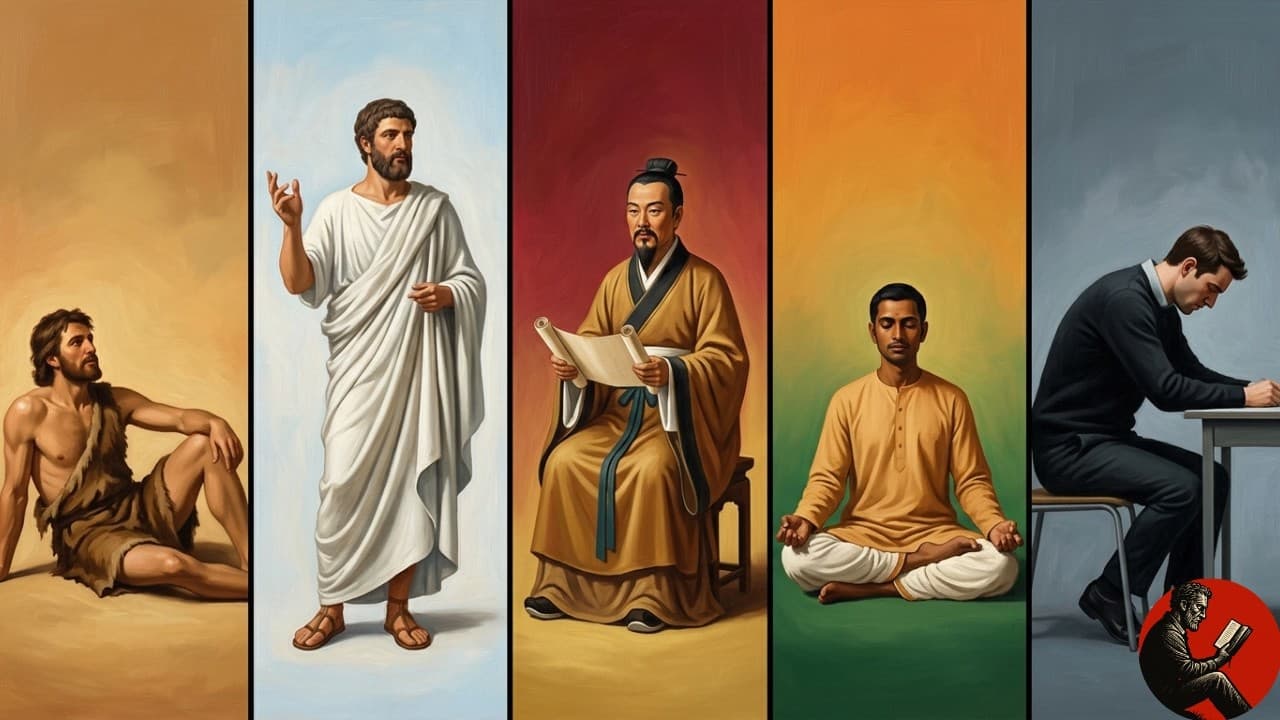
How Different Cultures Defined a Life Well-Spent
The Visual Philosopher compares five inherited answers to a well-spent life with our fixation on productivity—an illuminating contrast that sometimes turns cultures into slogans.
•2 min read
Things I've found online worth sharing—articles, videos, podcasts, and more. Modeled after Simon Willison's approach to link blogging.
The Visual Philosopher compares five inherited answers to a well-spent life with our fixation on productivity—an illuminating contrast that sometimes turns cultures into slogans.
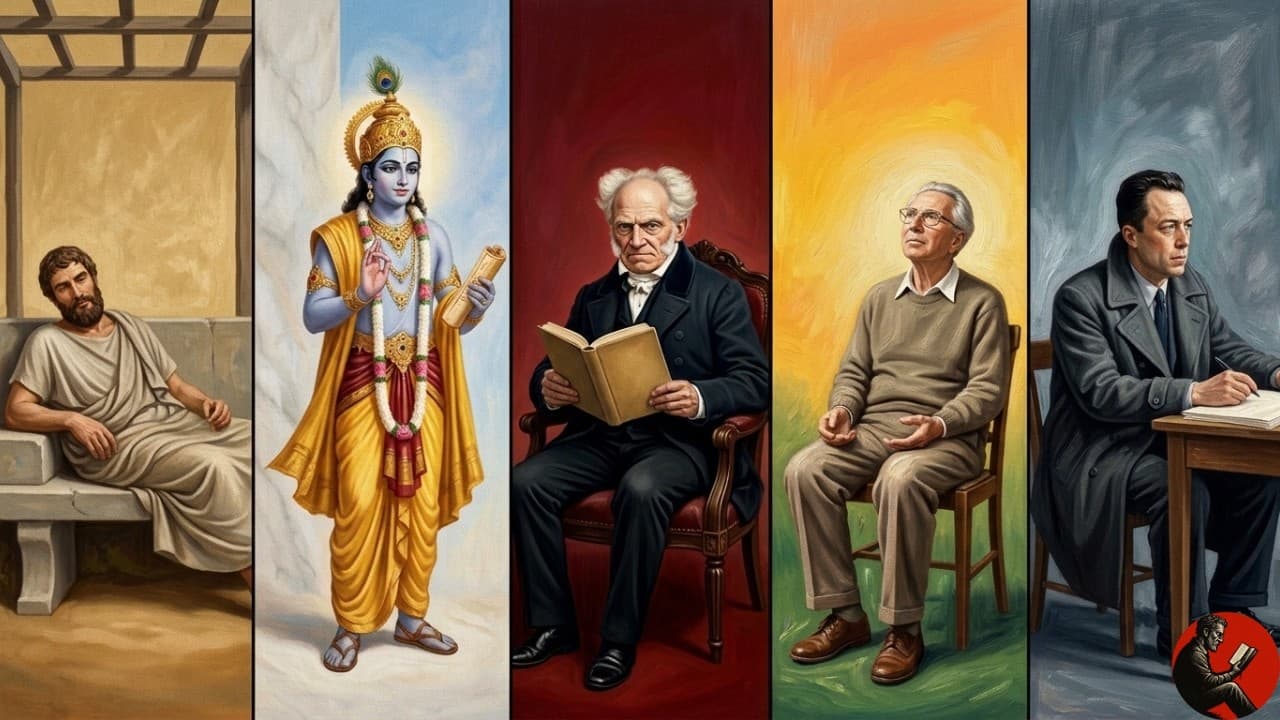
The Visual Philosopher moves from Epicurean tranquility to Camusian revolt, offering a sharp comparative map that also flattens some very different traditions into one modern question.
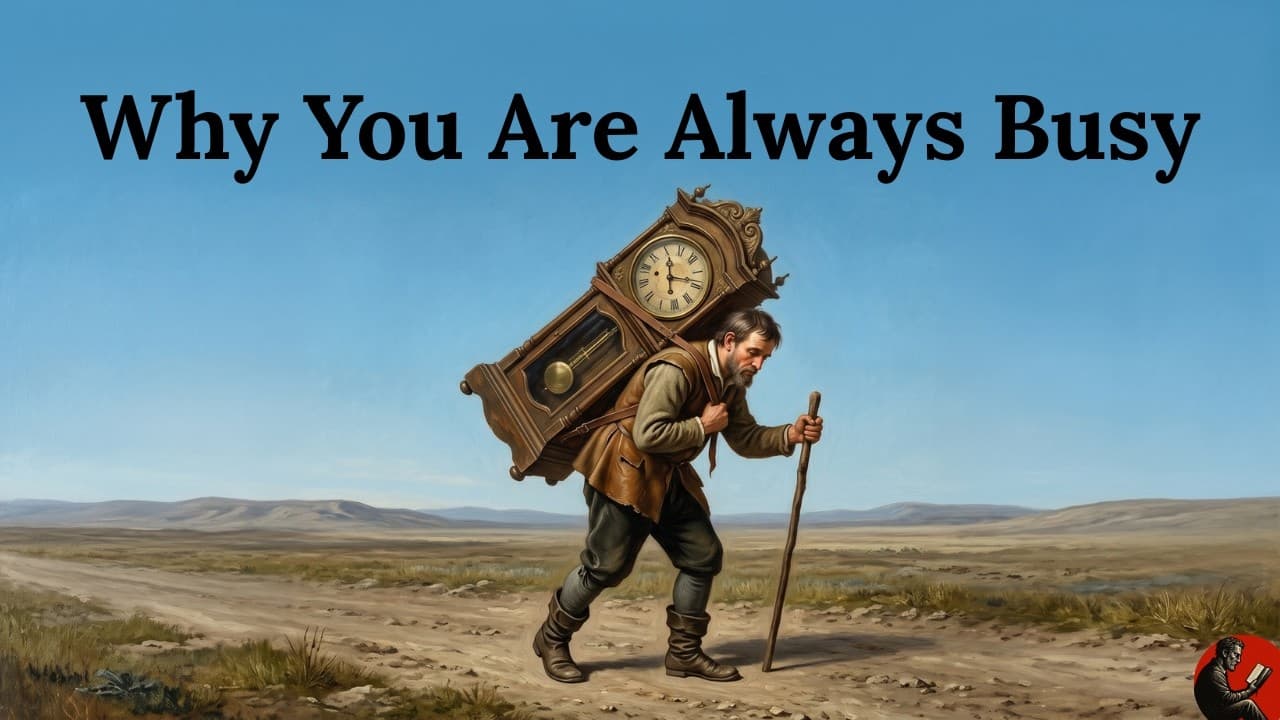
The Visual Philosopher traces modern busyness through affluent time scarcity, social acceleration, sleepless capitalism, and the loss of leisure—then pushes the causal story further than the evidence warrants.
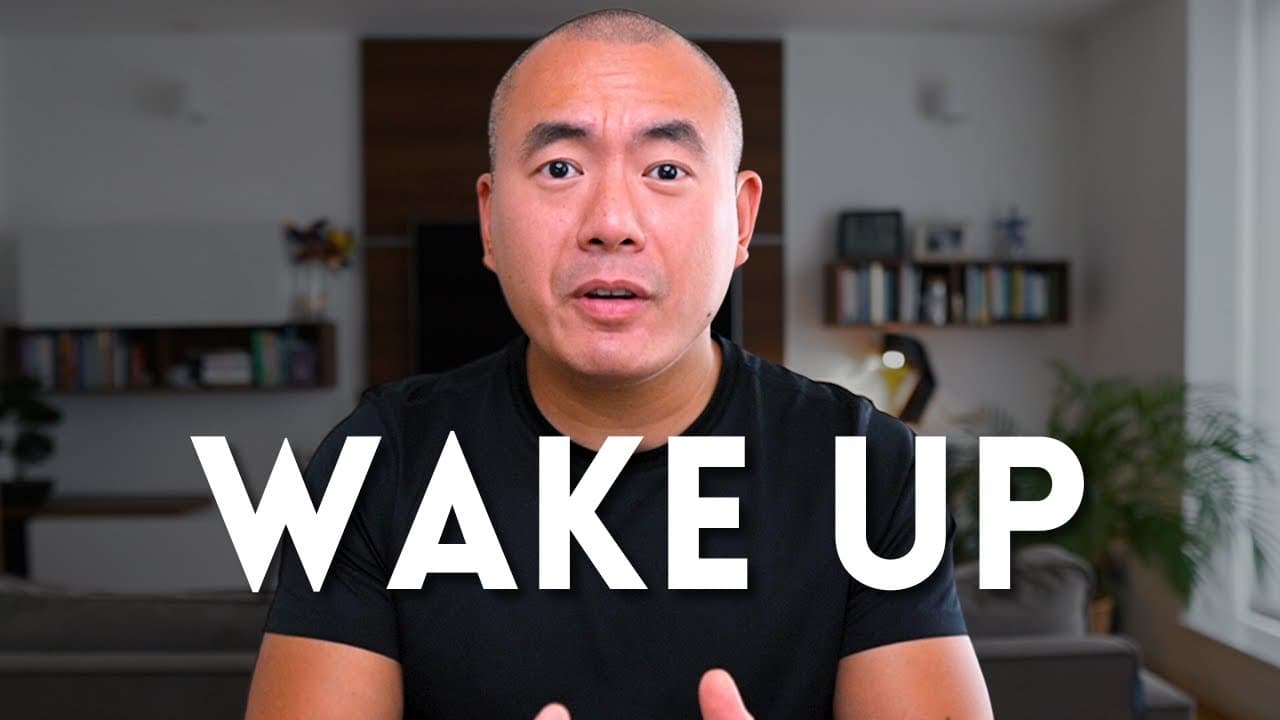
Simon Alexander Ong distills four decades of trial, ambition, and recalibration into a clean list of lessons about habits, attention, and long-term direction.
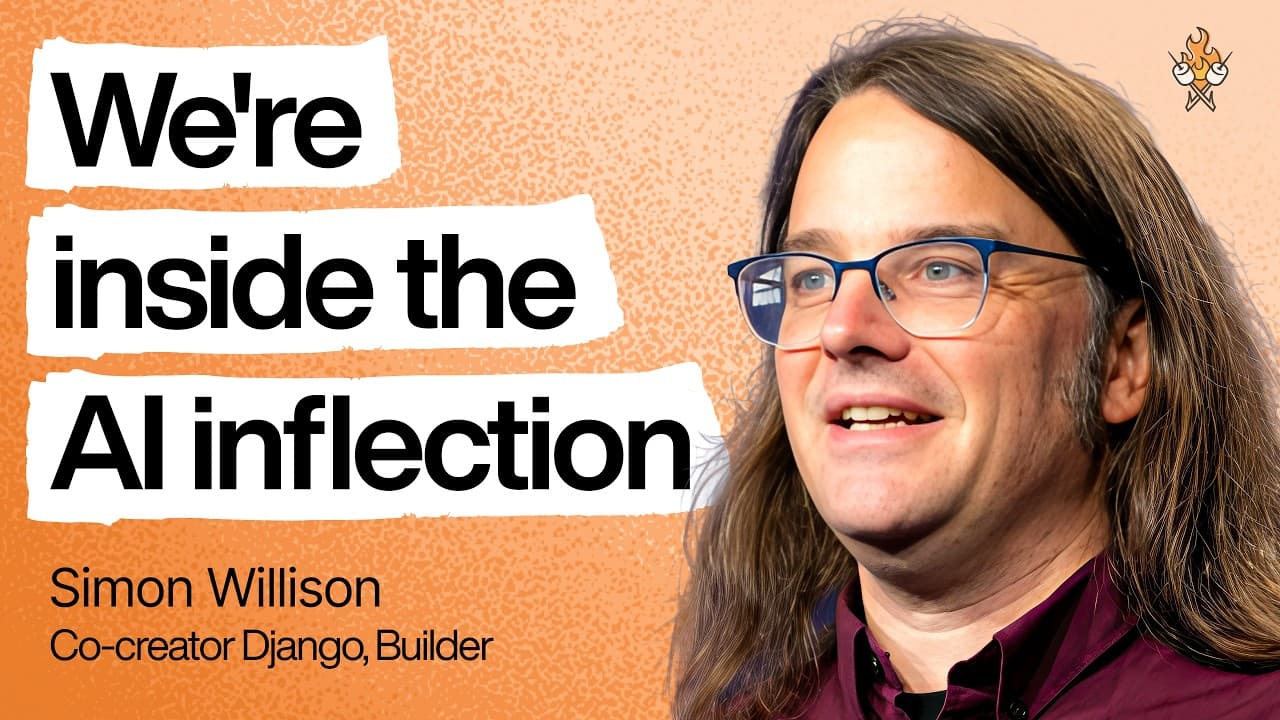
Simon Willison's conversation with Lenny is best read as a chaptered field report from the new AI-coding reality: code is cheaper, iteration is faster, and the bottlenecks have moved.

梁文道 revisits The Unbearable Lightness of Being by following the novel's own tensions: light and heavy, history and intimacy, philosophy and kitsch.
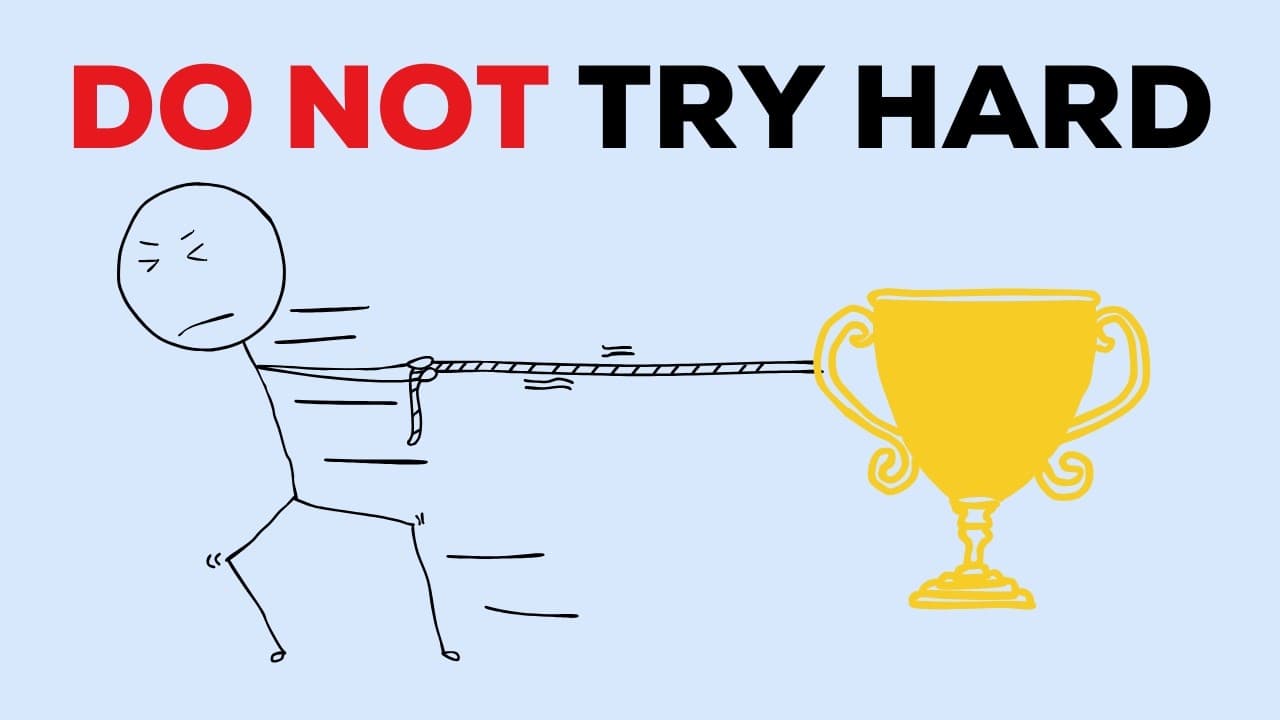
Productive Peter compresses a familiar self-improvement curriculum into a fast survey of effort, control, sleep, bias, habit loops, and compounding.
Productive Peter turns mortality into a practical planning tool: spend time deliberately, protect your energy, and optimize for what compounds.
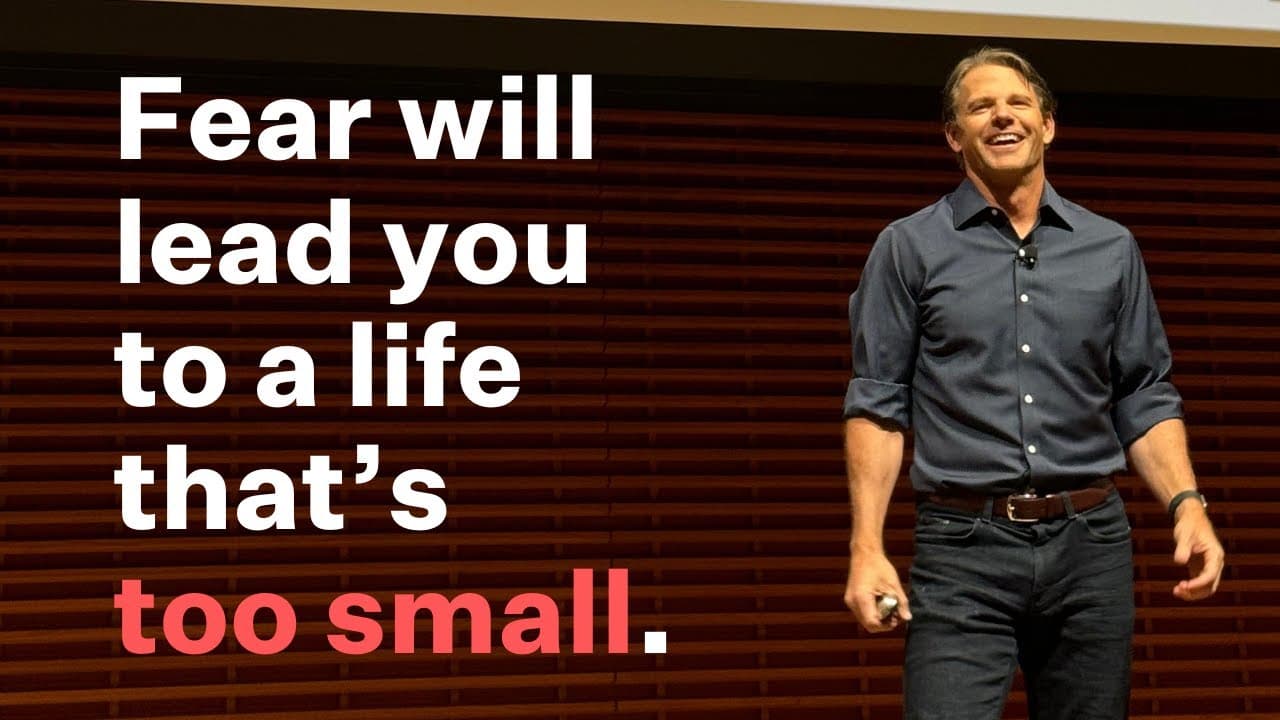
Graham Weaver structures his Stanford last lecture around three promises: get unstuck, follow energy instead of fear, and stop waiting for the perfect time to commit.

Veritasium turns the Harvard happiness study into a simple but hard message: relationships are not a soft extra, they are one of the main systems keeping a life healthy.
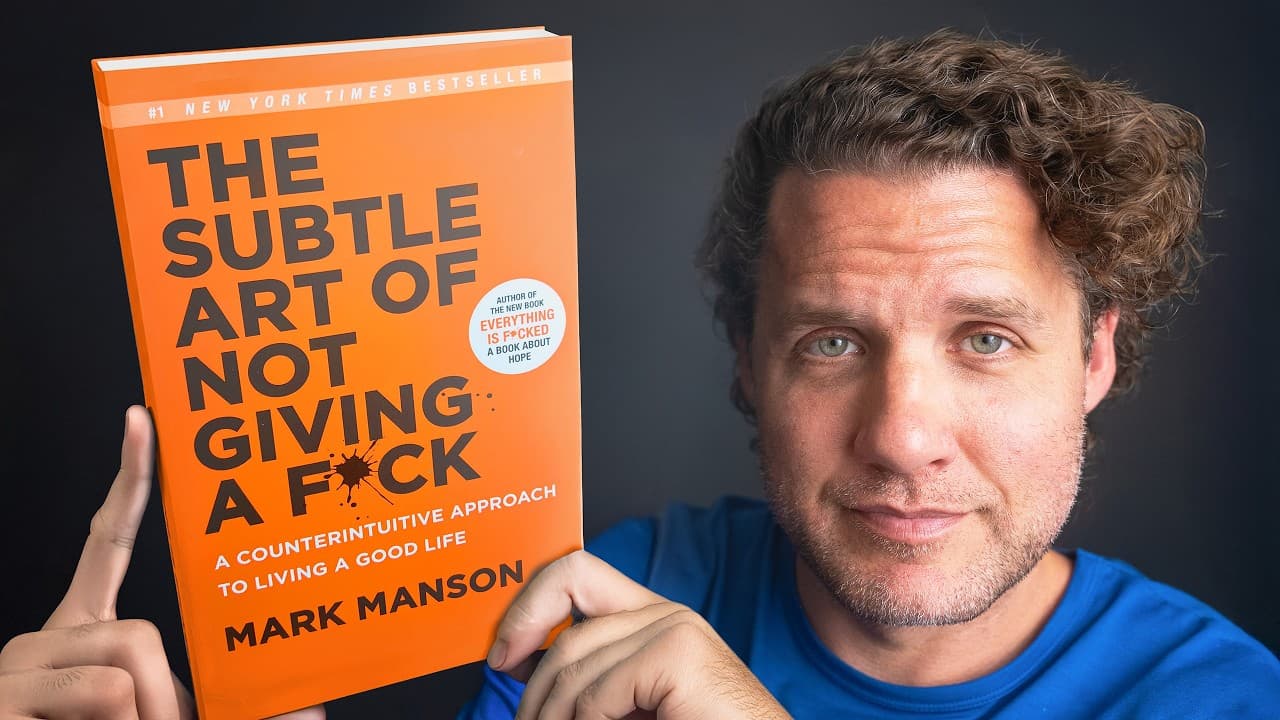
Mark Manson walks through the core argument of his breakout book: stop optimizing for constant positivity and choose better problems instead.
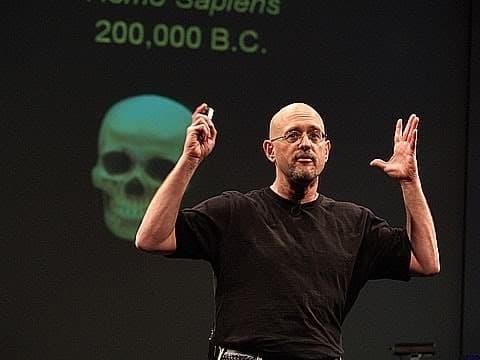
Dan Gilbert argues that humans are much better at synthesizing happiness than they realize, which means we routinely overestimate how devastating unwanted outcomes will be.

In this interview frame, Zhou Guoping treats Nietzsche less as a system-builder than as an example of the harder demand: become who you are and keep doing so even under constraint.
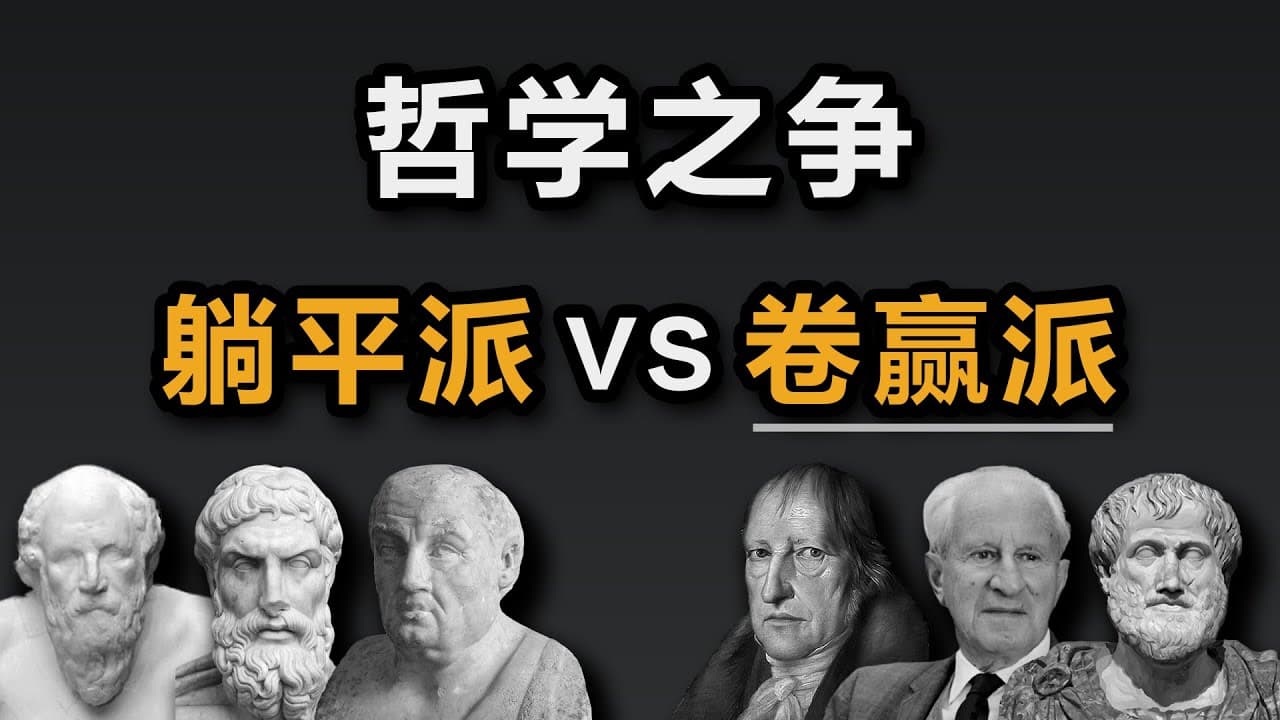
Hegel, Marx, Marcuse, and Aristotle make the case that labor, struggle, and self-realization are what make us human.
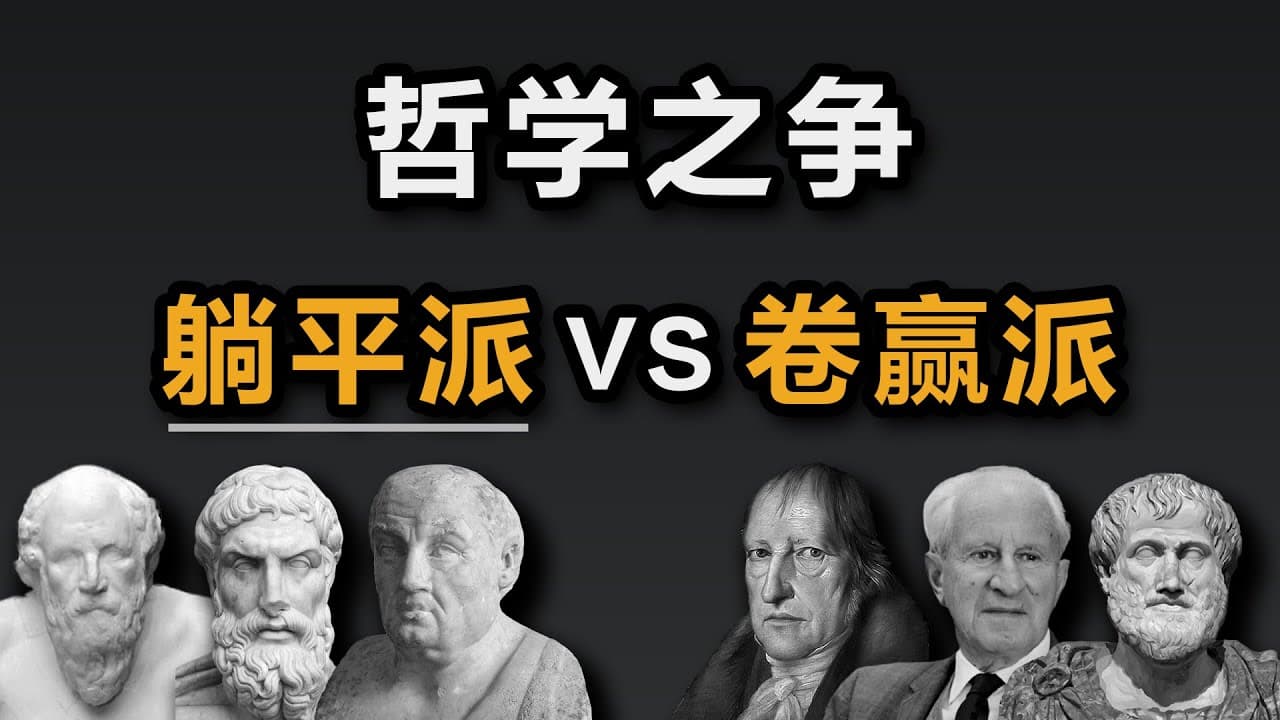
When 'involution' exhausts you, three ancient schools offer different degrees of opting out: Cynicism, Epicureanism, and Stoicism.
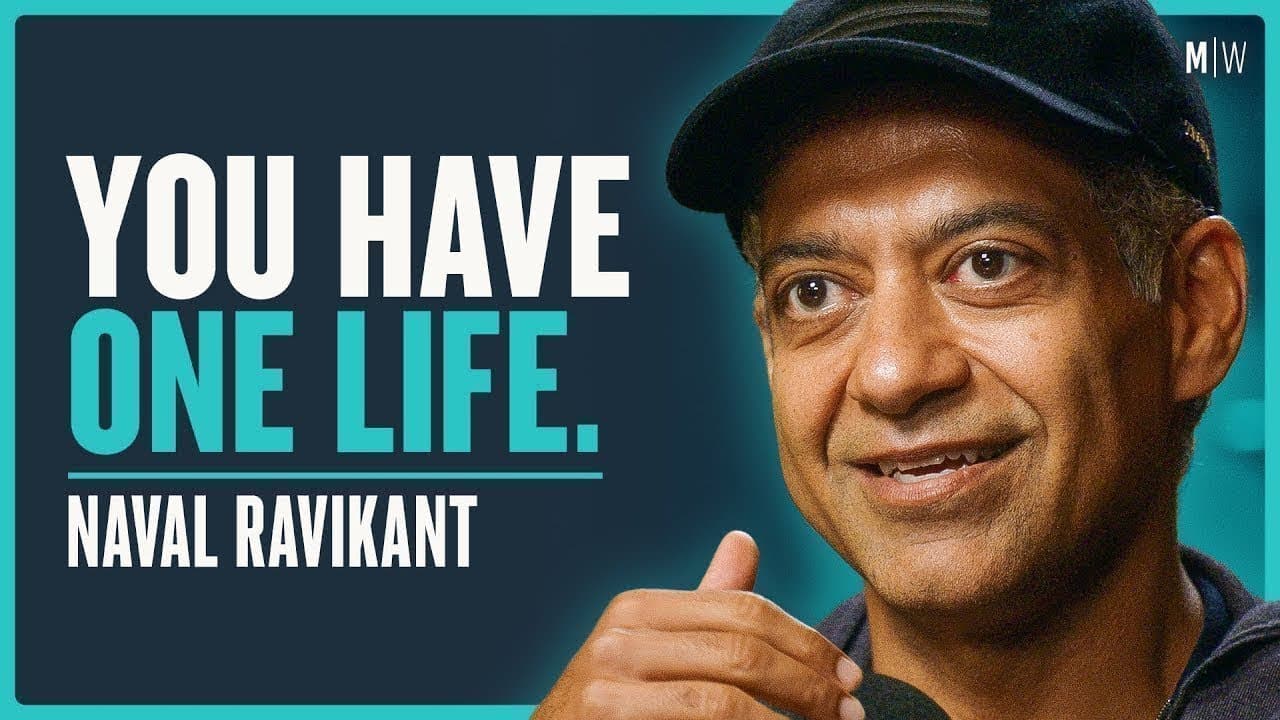
Naval Ravikant distills decades of thinking into blunt observations on happiness, wealth, relationships, and self-mastery in a wide-ranging conversation with Chris Williamson.

A Chinese philosophy channel surveys how Kierkegaard, Schopenhauer, Nietzsche, Sartre, and Camus each diagnosed and prescribed a cure for nihilism.

Professor Laurie Santos's popular Yale course on the psychological science of happiness—what actually works, what doesn't, and why knowing isn't enough.
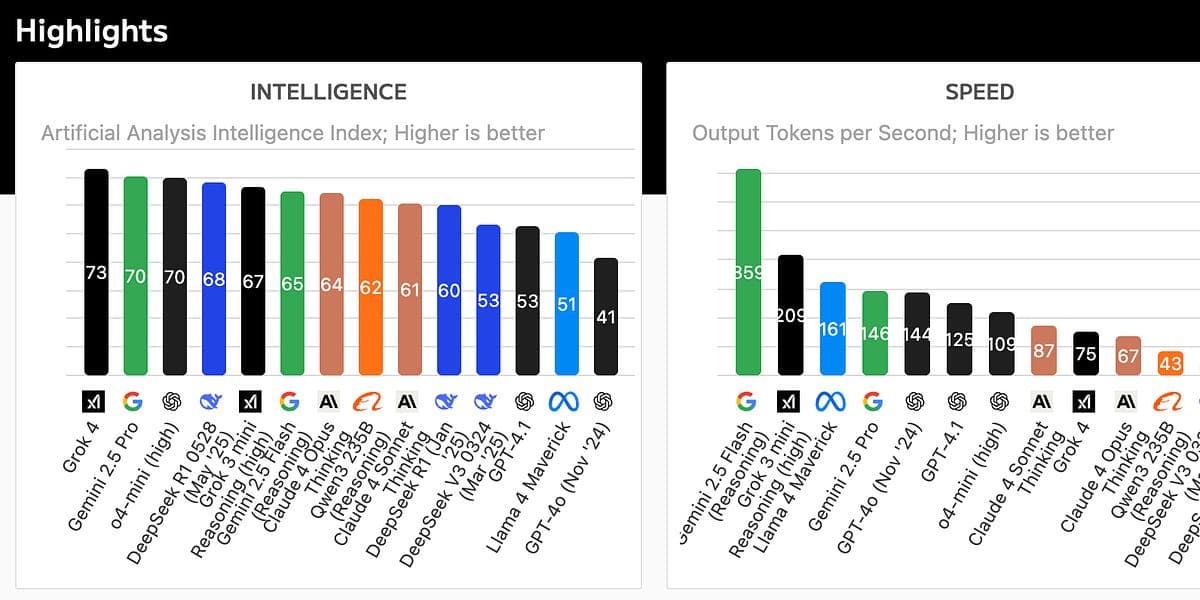


Marc Andreessen's counterintuitive insight: companies don't have retention problems, they have winning problems—and the only real solution is to start winning again.

A practical guide to measuring HRV consistently with Apple Watch, avoiding the common pitfalls that make the built-in Health app data useless.

Ezra Klein draws a powerful parallel between the Iraq War coalition and current trade policy debates—how different groups project their own goals onto vague policies.


Kazuo Ishiguro explains why his characters don't rebel against their dystopian fate—because most people throughout history don't, and that's the more interesting story.


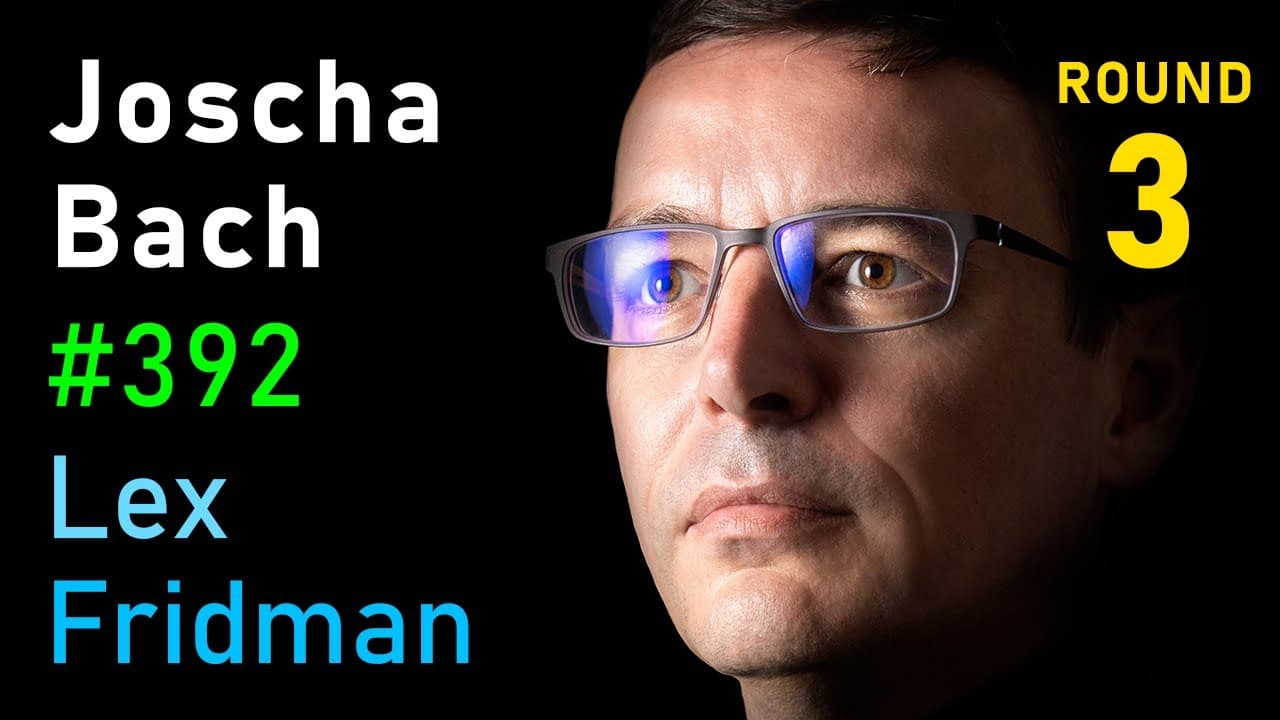
Joscha Bach on how large language models 'brute force' thought by deepfaking human reasoning—and why that might be indistinguishable from the real thing.
End of posts • 34 posts