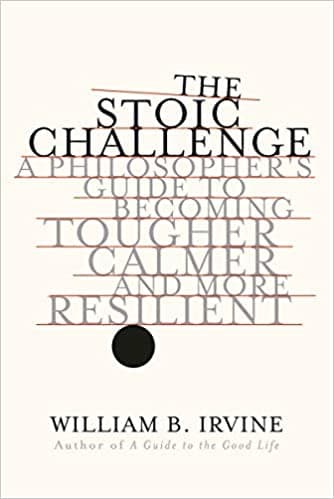
Core Idea
- Reframe setbacks as tests, not tragedies—obstacles strengthen you, they don't punish you
- You control your emotional response (not the setback itself); this is where real power lies
- Emotional damage from setbacks usually exceeds practical damage; fix the emotional problem first
The Stoic Test Strategy
- Within 5 seconds of a setback, declare "it's a test" to block anger/despair before they take hold
- Grade yourself on: (1) finding a workaround, (2) staying emotionally calm—prioritize #2
- Act fast: count to five, invoke the test frame, move forward—delays let blame and anger hijack your brain
Reframe Your Setbacks
Replace the blame frame ("someone wronged me") with one of these:
- Competing obligations frame: The person refusing you has legitimate conflicts, not malice
- Incompetence frame: Assume mistakes over intentional harm
- Game frame: Getting tackled is part of rugby—no anger needed
- Comedy frame: Laugh at absurdity instead of resenting it
- Storytelling frame: Focus on how you'll narrate this well, not on suffering now
Build Resilience Through Training
- Negative visualization: Spend 5 seconds daily imagining loss (health, loved ones, abilities)—builds gratitude and emotional armor
- Toughness training: Voluntarily endure discomfort (skip meals, underdress in cold, hard exercise)—expands your tolerance zone
- Stoic adventures: Seek challenging situations before crises hit so you've practiced handling unpredictability
What NOT to Do
- Don't suppress anger—prevent it entirely through fast reframing
- Don't play victim—it removes agency and increases suffering
- Don't commiserate with others about setbacks—spreads misery instead of solving it
- Don't broadcast success—invites the "Stoic gods" to humble you
Mortality as Perspective
- Last-time meditation: Treat each moment as possibly your last—infuses routine acts with meaning
- Prospective retrospection: Pause and think "future me will wish I could do this task again"—makes now precious
- Frame death as your exit exam—focus on how you die, not that you die
Action Plan
- This week: Pick one recurring setback (traffic, work mistakes) and apply the Stoic test frame within 5 seconds; grade only emotional control
- This week: Do one 5-second negative visualization—notice the gratitude that follows
- This month: Start toughness training—skip one meal, reduce one layer of clothing, or take a cold shower
- This month: Undertake one Stoic adventure (new skill, challenging trip, difficult project) to practice handling setbacks
- Ongoing: Keep a setback journal—track what happened, your response, and your emotional grade to identify triggers
Generated with Claude Sonnet 4.6 · prompt legacy-pre-v6 · model inferred from repository history