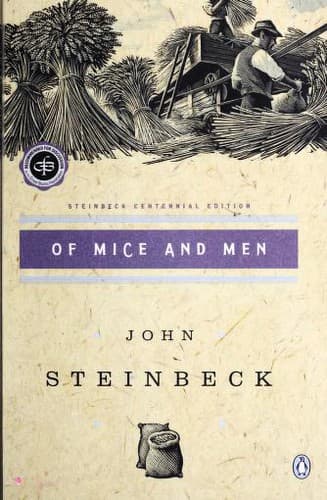
Core Idea
- Shared dreams sustain survival, but they can also blind you to danger and inevitably collapse under systemic pressure
- Loneliness is the actual killer—isolation warps judgment and makes people dangerous to themselves and others
- Mercy and tragedy are inseparable in a world where powerless people have no safety net
What This Book Actually Reveals
- Strength without understanding is lethal: Lennie's physical power combined with mental disability makes him dangerous—not through malice, but circumstance
- Systems trap individuals before they fail: Racial barriers, gender exploitation, poverty, and labor conditions doom characters structurally, not morally
- Every character is disposable: Workers, disabled people, women, minorities—all isolated and replaceable in a world that doesn't value them
Key Characters & Their Dynamics
- George & Lennie: Bound by dependency; George protects a childlike man while clinging to a shared dream of independent land ownership
- The Dream: A small farm representing escape, dignity, and control—essential for emotional survival but dangerously false
- Curley's Wife: Trapped by marriage and gender; her need for human connection becomes catastrophic in a system that silences her
- Crooks & Candy: Represent systemic powerlessness—the disabled, the aging, the marginalized have no protection
What NOT to Do
- Don't romanticize the ending as resolution—it's mercy killing, not redemption; the dream dies with Lennie
- Don't blame Lennie as evil—he's a victim of his own limitations in a world with zero safety nets
- Don't dismiss Curley's wife or Crooks—their deaths expose how disposable marginalized people become
Action Plan: How to Read This
- Track loneliness in every character—watch isolation distort their choices and relationships
- Notice the dream conversation repeating—it reveals George and Lennie's emotional dependence and deepening denial
- Map power dynamics—identify who has agency and why; this is the book's core subject
- Read the natural descriptions carefully—the river valley mirrors the characters' fates; cycles of life and death are structural, not accidental
- Sit with the tragic ending—Steinbeck collapses the boundary between mercy and murder to show what desperation forces good people to do
Generated with Claude Sonnet 4.6 · prompt legacy-pre-v6 · model inferred from repository history