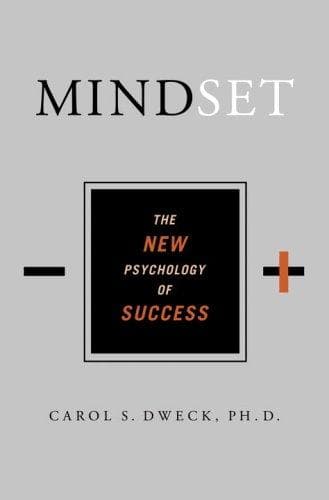
Core Idea
- Fixed mindset = abilities are static; growth mindset = abilities develop through effort
- Your mindset—not talent—determines success in school, work, sports, and relationships
- Mindset is changeable; you can build growth beliefs even while old fixed patterns linger
The Two Mindsets in Action
Fixed Mindset Behaviors
- Avoid challenges, hide mistakes, fear feedback, give up when struggling
- In relationships: seek revenge after rejection, assume incompatibility is permanent
- In leadership: hide deficiencies, breed groupthink, collapse under pressure
Growth Mindset Behaviors
- Embrace difficulty as learning, admit flaws, seek feedback, persist through setbacks
- In relationships: forgive, address conflicts as solvable, invest in communication
- In leadership: develop employees, ask questions, sustain organizational health
High-Impact Practices
Praise & Language
- Praise effort/strategy, not intelligence ("You worked hard" vs. "You're smart")
- Separate effort from self-worth; avoid reassuring children about ability before tests
- Replace "I failed" with "What can I learn here?"
Teaching & Leadership Standards
- High standards + nurturing support + teaching how to reach them = success
- Growth-minded teachers move low-achievers into high-achieving ranges
- Growth-minded leaders ask questions and develop people; fixed-minded leaders hide problems and fail
Relationships & Family
- Believe your partner can change; treat conflicts as solvable problems, not character flaws
- Daily ritual: ask family "What did you learn?" "What mistake taught you?" "What did you struggle with?"
- Listen for unspoken needs; use written anger scripts to prevent escalation
How to Change Your Mindset
- Monitor your internal monologue: Catch fixed-mindset thoughts ("I'm a loser") and reframe as learning opportunities
- Make concrete plans: Vague intentions fail—specify when, where, and how you'll act (e.g., "Tomorrow 10am, email professor for feedback")
- Join growth communities: Discuss daily learnings and mistakes with others; culture shift sustains change
- Teach brain-growth science: Learning literally builds neural connections—reframe struggle as brain-building
- Persist despite discomfort: You can feel miserable and act anyway; mood doesn't determine behavior
- Prevent regression: Ask "What must I do to continue this growth?" after initial improvement
Action Plan
- Identify one fixed-mindset belief holding you back (in work, relationships, or learning)
- Write a growth-mindset response to replace it ("I can't do this yet" / "What's one step forward?")
- Make one concrete plan this week using when-where-how specificity
- Praise effort, not traits in one conversation with someone you influence (child, colleague, partner)
- Start a growth ritual: Ask yourself or others daily what you learned and what you struggled with
Generated with Claude Sonnet 4.6 · prompt legacy-pre-v6 · model inferred from repository history