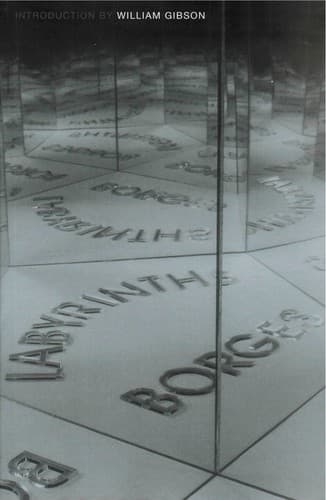
Core Idea
- Literature transcends geography: Write universal themes without guilt about "foreign" influences; your tradition is all of Western culture
- Form beats content: How something is said outlasts what is said—brevity and economy produce power; avoid elaborate exposition
- Embrace paradox as truth: Contradiction and skepticism reveal structural reality better than confident ideology; live multiple truths simultaneously
On Writing & Creation
- Don't explain authorial intent—let readers discover meaning; trust the work to speak
- Create only what your best moments can support—characters cannot exceed their creator's intellectual/moral capacity
- Use concrete repetition over abstract argument—show identical moments viscerally rather than theorize; readers grasp patterns through experience, not logic
On Reading & Tradition
- Every reader rewrites masterpieces—this participation isn't corruption but inevitable and necessary
- Recognize precursors only after writing—great writers create their own literary ancestry retroactively
- A book's future determines its meaning—how it will be read tomorrow defines what literature becomes today
On Intellectual Integrity
- Admit what you don't believe—state skepticism upfront; honesty strengthens arguments, not weakens them
- Challenge assumed causality—question whether sequence is real or imposed by language; don't accept easy chronological answers
- Reject metaphysical escape—don't use paradox to avoid responsibility; suffering remains real regardless of time's nature
On Method & Obsession
- Return obsessively to core questions—sustained intellectual commitment over 20+ years outlasts single insights
- Present analogous versions of ideas—two perspectives on the same problem clarify better than one polished version
- Flag language's temporal bias—acknowledge that all language embeds time assumptions when challenging sequential thinking
Action Plan
- Write without "local color" justification—engage universal themes from your tradition; authenticity emerges naturally, not forced
- Prioritize economy—cut exposition; trust readers to find meaning; brevity creates power
- Interrogate your assumptions about time, causality, and identity—these obsessions reveal structural truths worth revisiting repeatedly
- Read as rewriter—engage masterworks actively; your interpretation participates in creating their meaning
- Embrace productive skepticism—use paradox and contradiction as tools, not problems to resolve; live contradictory truths together
Generated with Claude Sonnet 4.6 · prompt legacy-pre-v6 · model inferred from repository history