Core Idea
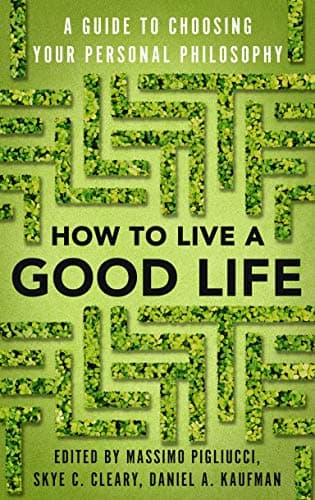
- Multiple valid philosophies exist for living well—Eastern (Buddhism, Daoism, Confucianism), Western ancient (Stoicism, Aristotelianism, Epicureanism), religious traditions, and modern approaches (Existentialism, Pragmatism, Secular Humanism).
- Your task: audit your beliefs, test them against evidence and reason, then intentionally choose a framework that fits your life.
10 Philosophical Approaches to Test
Eastern Philosophies
- Buddhism: Reduce suffering through ego-deflation, compassion, loving-kindness, and accepting impermanence.
- Daoism: Stop controlling outcomes; align with natural flow through meditation and body cultivation.
- Confucianism: Build virtue through relationships, study, and learning from all people.
Western Ancient Philosophies
- Stoicism: Focus effort only on what you control (judgments, actions); treat externals as secondary; use daily reflection to manage emotions.
- Aristotelianism: Develop all your capacities (moral, intellectual, practical); accept that luck shapes outcomes.
- Epicureanism: Prioritize simple pleasures (safety, food, health, friendship) over excess; use hedonic calculus to weigh pain vs. pleasure.
Religious & Ethical Traditions
- Judaism/Christianity: Practice active study, repentance, and meaning-making through narrative alignment with higher purpose.
- Progressive Islam: Ground ethics in reason; embrace justice, cosmopolitanism, and nonviolent activism.
- Ethical Culture & Humanism: Practice "deed above creed"—prioritize ethical action over belief; ground morality in reason, science, and universal human worth.
Modern Philosophies
- Existentialism: Create authentic meaning through freedom and choice; accept full responsibility.
- Pragmatism: Make things better (not perfect); tolerate others' vital differences while respecting community.
- Effective Altruism: Maximize good outcomes; donate strategically based on impact, tractability, and neglectedness.
Build Your "Ethical Excellences"
- Autonomy: Take control of your destiny; become self-directed.
- Intelligence: Develop judgment for wise choices.
- Self-discipline: Recognize consequences of poor choices.
- Self-respect: Build confidence and realistic self-awareness.
- Creativity: Innovate and add joy to life.
- Motivation: Stay engaged with life as intrinsically interesting.
- Positive attitude: Create opportunities; express your potential.
- Joy: Experience the full range of human pleasures.
- Health + Community: Prioritize physical health and meaningful relationships.
Action Plan
- Choose one framework (or blend 2–3) that resonates with your values and circumstances.
- Test it daily: Use that philosophy's core practice (meditation for Buddhism, dichotomy of control for Stoicism, ethical reflection for humanism).
- Join a community: Find local philosophy groups, secular organizations, or spiritual communities aligned with your choice.
- Reflect weekly: Ask—Is this framework making my life better? Am I living according to my principles?
- Stay flexible: Revisit and adjust your philosophy as your life evolves; no single approach fits forever.
Generated with Claude Sonnet 4.6 · prompt legacy-pre-v6 · model inferred from repository history