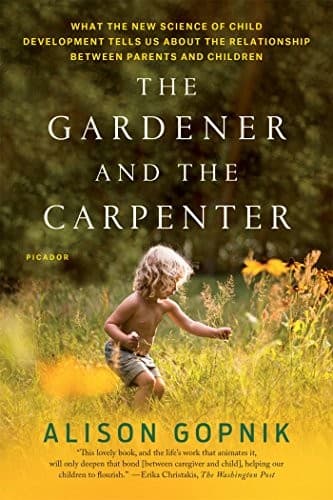
Core Idea
- Replace "parenting" (controlling outcomes) with "being a parent" (creating conditions for natural growth)
- Parenting as carpentry (precise shaping) fails; parenting as gardening (nurturing diversity) succeeds
- Research shows specific parenting techniques have negligible long-term effects on adult outcomes
What Science Actually Proves
- Children learn primarily through observation, imitation, and self-directed exploration—not conscious instruction
- Wide-ranging exploration in childhood builds adaptable, flexible adults better than focused teaching
- Small parenting variations produce no reliable, predictable differences in adult outcomes
- Your child will become different from you; that's developmentally healthy and expected
What to Do
- Create safe, rich environments and let children explore freely within them
- Participate in ordinary activities together (cooking, gardening, working)—children learn by watching and doing
- Answer questions and have conversations, but don't force learning or treat play as instructional
- Protect unstructured play time—it's essential, not a gap to fill with structured activities
- Accept your role as supporter of their journey, not sculptor of their destination
What NOT to Do
- Don't assume specific parenting techniques control how your child turns out
- Don't separate "parenting time" as special teaching moments—it undermines natural learning
- Don't treat childhood as merely preparation for adulthood
- Don't expect parenting expertise to deliver measurable academic or behavioral outcomes
- Don't over-schedule or over-structure childhood
Reframe Success
- Good parenting produces robust, adaptable children who handle unpredictable futures—not predetermined achievements
- Children who explore widely develop flexible thinking for unknown challenges ahead
- Your job is creating conditions for growth, not controlling the results
Action Plan
- This week: Identify one ordinary daily activity (meal prep, yard work) to do alongside your child without instruction
- This month: Remove or consolidate one scheduled activity to create unstructured exploration time
- Ongoing: When your child asks a question, answer it—then let curiosity lead where it goes, don't extend it into a lesson
- Mindset shift: When parenting feels effortful or prescriptive, ask "Am I gardening or carpenting?" and adjust
Generated with Claude Sonnet 4.6 · prompt legacy-pre-v6 · model inferred from repository history