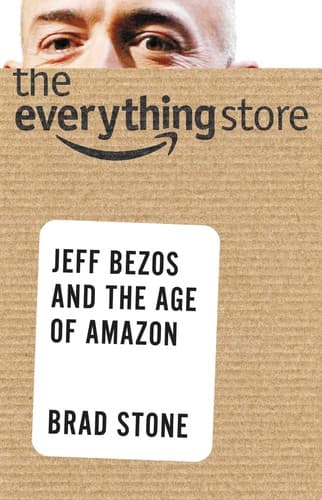
Core Idea
- Amazon's dominance stems from treating logistics, technology, and customer experience as defensible competitive advantages—not commodity functions to outsource
- Accept short-term losses strategically to own emerging markets and lock in customers before competitors recognize the opportunity
- Organize ruthlessly around small autonomous teams with clear accountability, data-driven metrics, and written narratives instead of presentations
Organizational Structure & Decision-Making
- Form "two-pizza teams" (under 10 people) with independent fitness functions to eliminate bureaucratic coordination and accelerate decisions
- Replace PowerPoint with 6-page prose documents to expose incomplete thinking and force clarity before proposals advance
- Use mock press releases for product launches to align internal thinking with external customer messaging from day one
- Escalate customer complaints with just a "?" symbol to force immediate high-priority team response to service failures
- Run data-driven weekly metrics meetings—eliminate subjective debate by using performance data as truth proxy
Culture & Talent
- Codify founder values into 14 leadership principles and reinforce relentlessly through hiring, reviews, and promotions
- Implement forced ranking curves: managers with 50+ reports must identify and remove underperformers to maintain standards
- Backload stock vesting (5% year 1, then 15%, 20% per six-month period in years 3-4) to prevent coasting and ensure adversity retention
- Strip non-essential perks (expensive food, parking subsidies) to reinforce frugality and redirect resources to customer value
Competitive Moat: Logistics & Infrastructure
- Treat fulfillment and logistics as core technology advantage—invest in proprietary systems and algorithms competitors can't replicate
- Build "Marketplace" platforms allowing third-party sellers alongside first-party inventory to increase selection, capture commissions, and harvest competitive intelligence
- Use real-time pricing algorithms to match lowest competitor prices and undercut traditional retail margins automatically
- Implement continuous-flow manufacturing (eliminate batch processing) to maximize facility utilization and reduce per-unit costs
Customer Lock-In Strategy
- Subsidize convenience features (free shipping, Prime membership) at short-term losses to build habit and increase order frequency across categories
- Remove friction systematically: 1-Click ordering, predictable delivery windows, category expansion to lower switching costs
- Price disruptively below cost in new categories (Kindle, diapers) to acquire market dominance before competitors scale
New Revenue Streams
- Position company as technology platform, not retailer—leverage internal infrastructure to create AWS (Web Services) serving external developers
- Invest in "primitives" (storage, computing, messaging) that enable ecosystem partners to build atop your platform, creating lock-in
- Accept infrastructure losses to own the playing field before competitors recognize the opportunity
Tactical Execution
- Run regional pilots (e.g., Amazon Fresh in Seattle) to perfect unit economics before national expansion
- Separate disruptive units from core business to prevent legacy teams from protecting cannibalized revenue
- Monitor marketplace intelligence to identify acquisition targets before they scale
Action Plan
- Redesign decision-making: Replace presentations with written narratives; form small autonomous teams with clear fitness functions
- Embed metrics obsession: Implement weekly data reviews; eliminate subjective debates; track performance as truth
- Define and reinforce values relentlessly: Codify your core principles and make them hiring/promotion/review criteria
- Identify one emerging market to enter; accept 12-24 months of losses to build category dominance and customer habit
- Audit for artificial friction: Remove one checkout/delivery/support pain point per quarter to lower customer switching costs
Generated with Claude Sonnet 4.6 · prompt legacy-pre-v6 · model inferred from repository history