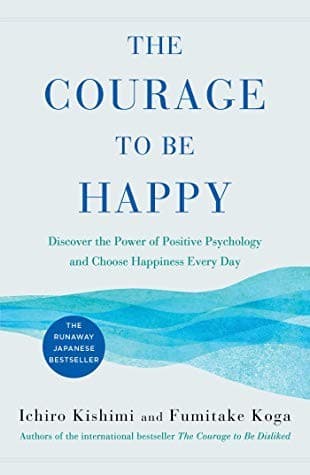
Core Idea
- Happiness comes from loving others and contributing to their lives, not from being loved or praised
- True self-reliance is psychological, not economic — it means abandoning your need for approval and choosing to build unconditional relationships based on trust, not conditions
- Praise and punishment are manipulation tools that create dependence; they destroy the horizontal relationships required for real growth and democracy
The Five Stages of Problem Behavior (Intervention Framework)
- Seeking admiration: performing for attention; motivation collapses if ignored
- Attention-seeking: acting out because good behavior failed; wants notice (even negative)
- Power struggle: defiance as proof of strength; provokes authority figures — intervene here with respect to stop escalation
- Revenge: realizes they can't win; shifts to hurting others through hatred
- Proving incompetence: gives up entirely; displays learned helplessness
Life's Three Core Tasks (Where Happiness Lives)
- Work: cooperation based on mutual necessity; all professions equally honorable if done with integrity
- Friendship: unconditional trust without guarantees; requires vulnerability, not keeping score
- Love: a deliberate choice (not fate) to shift life's subject from "I" to "we" — the single most courageous act of maturity
How to Actually Build Self-Reliance
- Stop praising/criticizing — both create hierarchy and dependence; instead acknowledge effort and ask "What will you do next?"
- Extend unconditional trust first — see people as complete humans now, not potential versions; respect precedes reciprocation
- Share their concerns — play their games, join their interests; stop imposing your values
- Let natural consequences teach — your job is creating conditions for growth, not controlling outcomes
- Never shame — it escalates to revenge; respect in conflict stops the power-struggle dance
The Love & Self-Reliance Connection
- Independence means escaping childhood need to be loved — stop performing for approval
- Love is a decision, not destiny — no "soulmate" exists; you build destiny with whoever stands before you through sustained effort
- Contribution (feeling useful) is the only real source of well-being — not praise, not being special, but knowing you matter to someone else
Action Plan
- This week: pick one person (student, friend, family) and extend unconditional trust — observe what shifts without demanding reciprocation
- Stop approval-seeking: identify one area where you seek approval; commit to one week of acting without needing it
- Replace praise with acknowledgment: when someone does well, say "I see your effort" instead of "You're amazing"; follow with "What's next?"
- In conflict, refuse the dance: when provoked (power struggle), leave instead of matching aggression; respond with respect and reset boundaries
- Practice deliberate love: commit to one person for one month by showing genuine interest in their concerns, not expecting anything back
Generated with Claude Sonnet 4.6 · prompt legacy-pre-v6 · model inferred from repository history