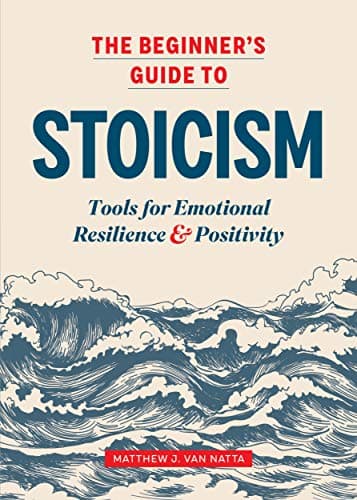
Core Idea
- Control only what's truly yours (thoughts, effort, virtue) and accept everything else (outcomes, others' actions, events)—this single shift eliminates most suffering
- Virtue is the only real good; money, health, and reputation are "indifferents" that can't guarantee happiness
- Your emotions stem from judgments, not events—pause between what happens and how you react to rewire your resilience
The Three Disciplines: Your Training Framework
- Discipline of Desire: Stop wanting external outcomes; redirect all desire toward virtue and becoming your best self
- Discipline of Action: Act virtuously and help others; use the "reserve clause" ("if nothing prevents it") to accept you can't control results
- Discipline of Assent: Pause before reacting; reject unhealthy thoughts immediately ("you are just an appearance")
The Four Virtues: What to Build
- Wisdom: Examine your thoughts deliberately before accepting them
- Courage: Act despite fear—discomfort isn't cowardice
- Justice: Treat everyone fairly; humans function together like body parts
- Moderation: Accept all things are temporary and borrowed from fate
Daily Practices to Start Now
- Dichotomy of Control: Mentally split every situation into what's yours (opinion, effort) and what's not (outcomes, others); focus only on the first
- Circle the Present: When anxious, fence off past and future; ask "can I handle this moment?"—the answer is always yes
- Morning Orientation: Expect difficulty; remind yourself you control only your response
- Evening Review: Each night ask three questions—what went well, what went poorly, what's left undone (2 minutes)
- Amor Fati: Accept what happened as necessary; say "it was returned" when losing things to build freedom
- Negative Visualization: Mentally rehearse hardships to make real challenges feel less shocking
Managing Difficult Emotions
- Fear & Appetite (future-focused): Remember indifferents can't harm your virtue
- Pleasure & Distress (present-focused): Strip situations to basics and reframe annoyances as "festivals" to celebrate
- Go-to phrase: "This is nothing to me" when stress threatens your peace
- When someone upsets you: Tell yourself "it seemed so to them"—they act from false beliefs, not malice
Relationships & Community
- You can't control others, only yourself—invest in being your best regardless of reciprocation
- Stoicism is service: you were born to work together; expand your circles of compassion from family to all humanity
- Defend virtue firmly but without anger; never let resentment steal your peace
Action Plan
- This week: Pick one phrase ("this is nothing to me," "festival," or "it was returned") and use it daily when stress hits
- This week: Do the 3-question evening review every night (2 minutes)
- This month: Focus on one discipline; practice morning orientation each dawn
- Monthly: Do negative visualization on a real fear to build immunity
- Sustain: Join Modern Stoicism or a local community to anchor your practice
Generated with Claude Sonnet 4.6 · prompt legacy-pre-v6 · model inferred from repository history