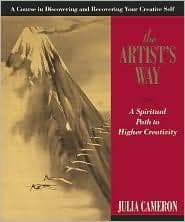
Core Idea
- Julia Cameron treats creativity as a spiritual practice: making art is a “spiritual transaction,” not a luxury, and recovery is possible at any age for professionals and nonprofessionals alike.
- The book’s central claim is pragmatic as well as metaphysical: if you do the practices, your consciousness changes, whether or not you accept the theology.
- Cameron’s method is built on two nonnegotiables—morning pages and the artist date—which together create a circuit of “sending” and “receiving” for the creative self.
Main Frameworks and Practices
- Morning pages are three pages of longhand, stream-of-consciousness writing every morning, kept private and used to clear worry, perfectionism, and the Censor.
- The Censor is the internal critic/survival voice that mocks originality; Cameron recommends making it ridiculous rather than treating it as authoritative.
- Morning pages help distinguish official feelings like “I feel okay about that” from the real emotions underneath, and they often surface truths one has been avoiding.
- Cameron repeatedly says people skip the pages when they are closest to an unwelcome truth, because clarity may force action about jobs, relationships, or self-deception.
- The artist date is a weekly, solo, two-hour outing to nurture the inner artist or “creative child,” ideally playful, defended from intrusion, and inexpensive.
- Filling the well means replenishing the imagination with images, sensations, novelty, and delight through walks, music, repetitive tasks, museums, cooking, driving, and other artist-brain activities.
- Cameron also uses reading deprivation as a reset: one week without reading is meant to expose dependence on outside input and force contact with one’s own sources.
- The book’s “Rules of the Road” emphasize showing up, setting small goals, praying, choosing supportive companions, and trusting that the Great Creator loves creativity.
- Her spiritual language is flexible: readers may use God, Higher Power, Source, Universe, Mind, or good orderly direction, because belief is less important than experimentation.
How Creative Recovery Works
- The recovery path includes predictable phases: defiance, anger, grief, resistance, hope, a creative U-turn, and eventually greater ego surrender and autonomy.
- Early work focuses on shadow artists—people whose creativity was discouraged, so they live near art instead of making it—and on identifying inherited core negative beliefs.
- Cameron treats fear, shame, and “artist abuse” as major blocks, especially the habit of judging oneself before one has become a beginner.
- Blurts are the hostile reactions that appear when affirmations are written; they reveal hidden core negatives that can be traced back through “time travel” to childhood sources.
- Week 1 and later exercises repeatedly ask readers to identify where their blocks come from, defend the artist child, and replace self-attack with specific affirmations.
- Crazymakers are disruptive, boundary-violating people who turn others into supporting cast; Cameron recommends strong boundaries and sometimes twelve-step support for entanglement with them.
- She warns against “poisonous playmates,” meaning blocked friends who may sabotage recovery through guilt, sarcasm, or accusations of selfishness.
- The book frames “going sane” as temporarily feeling like going crazy, because identity shifts can trigger discomfort, loss, and the collapse of old self-definitions.
Key Concepts About Power, Desire, and Limitation
- Attention is a creative discipline: art comes from the visible world, not fantasy, and careful observation reduces loneliness and grounds the self in reality.
- Synchronicity is meaningful coincidence or “answered prayer” that tends to show up after commitment, as if the universe responds to action.
- Cameron argues that the what must come before the how: choose the dream first, and the route often appears later.
- Anger is redefined as fuel and a map of boundaries rather than something merely dangerous or embarrassing.
- Shame is treated as a serious artistic hazard because criticism can reactivate childhood humiliation and make art feel like exposure of family secrets.
- Cameron distinguishes useful criticism, which gives a workable puzzle piece, from shaming criticism, which is vague, personal, and dismissive.
- The virtue trap names fake goodness and self-erasure used to justify deprivation; being “nice” can become a way of abandoning the true self.
- The true self is playful, boundary-setting, and specific about desire, while the false self is compliant and externally approved.
- Luxury is redefined as authentic nourishment: time, solitude, color, music, small pleasures, and personal abundance rather than conspicuous expense.
- Money is treated as emotionally and spiritually charged; “counting” every expense is meant to reveal real values and money leaks without moralizing.
- Cameron insists that creative work is a form of receiving, not forcing: the artist is more conduit than inventor, and ideas often need gestation in darkness.
What To Take Away
- The book’s deepest claim is that art is a path of self-recovery, guidance, and surrender, not just output.
- Cameron’s system is less about inspiration than about daily practices that quiet the Censor, restore attention, and make room for inner direction.
- Her recurring warning is that many blocks are self-protective habits—shame, perfectionism, busyness, comparison, and dependency on others’ approval.
- The closing vision is spiral rather than linear growth: keep beginning again, protect your work, and treat creative life as a continuing faith practice.
Generated with GPT-5.4 Mini · prompt 2026-05-11-v6