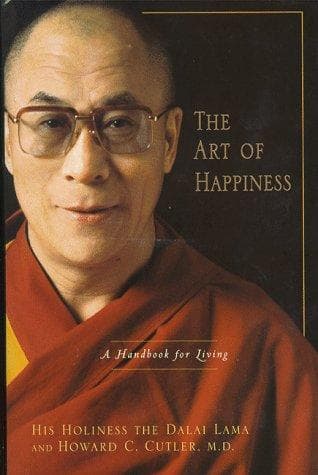
Core Idea
- Happiness is a skill, not luck—trainable through systematic mental practice and neuroplasticity
- Your mental state determines happiness, not external circumstances; rewire thought patterns through repetition
- Genuine happiness differs from pleasure: it's stable, mental/emotional, and built through disciplined thinking
Mental Training Fundamentals
- Distinguish pleasure from happiness: pleasure is temporary and physical; happiness is lasting and mental
- Base relationships on genuine connection, not attraction or romance alone
- Practice contentment by appreciating what you have instead of chasing endless desires
- Accept that suffering is natural; reduce suffering by stopping self-blame and rumination on past events
Managing Difficult Emotions
- Don't suppress anger—actively cultivate antidotes: patience, tolerance, compassion
- Analyze anger logically to defuse it; when intense, distract yourself until calm, then examine rationally
- Reframe "enemies" as teachers providing rare opportunities to practice patience and accelerate growth
- Stop replaying painful memories; this feeds negativity without changing the past
Anxiety & Confidence
- If a problem is solvable, focus energy on solutions (not worry); if unsolvable, accept it—worry changes nothing
- Ground yourself in sincere, compassionate motivation before difficult situations; pure intent eliminates shame in failure
- Build valid self-confidence on sound reasons and realistic self-appraisal; distinguish from arrogance by examining consequences
- Practice radical honesty about what you can/cannot do—vulnerability and admitting "I don't know" strengthen credibility
Combat Self-Hatred
- Recognize self-hatred is learned, not innate—it can be unlearned
- Remind yourself daily of human potential: intelligence, capacity for growth, ability to determine your path
- Remember: your fundamental wish for your own happiness proves you do love yourself, however distorted that love appears
Spirituality as Daily Practice
- True spirituality = mental discipline in everyday choices: restraining insults, managing temper, acting ethically
- Basic spiritual values (compassion, kindness, honesty) matter more than rituals or religious identity
- Practice spirituality 24/7 through mindful choices, not just scheduled meditation
- Build meaning and purpose consciously—even secular people need ethical frameworks and sense of direction
Action Plan
- Start a daily practice: Meditate on impermanence 10 minutes/day; visualize taking others' suffering, giving your resources (Tong-Len)
- Rewire one pattern: Pick one negative thought pattern; follow the sequence: Learn it → Develop conviction → Build determination → Act repeatedly for months
- Use the anxiety algorithm: For any worry, ask "Is this solvable?" → If yes, act; if no, accept it
- Audit your confidence: Honestly list what you can/cannot do; admit gaps without shame to others
- Find one person unlike you: Spend time with them regularly to broaden perspective and reduce prejudice
Generated with Claude Sonnet 4.6 · prompt legacy-pre-v6 · model inferred from repository history