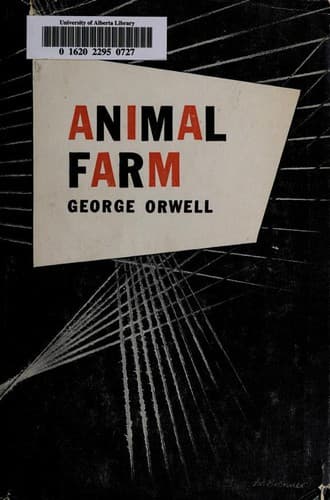
Core Idea
- Revolutionary ideals corrupt when power concentrates without accountability — noble causes become tools of oppression
- Propaganda, rewritten history, and fear replace truth to justify tyranny and keep populations compliant
- Recognize how incremental rule changes and communication monopolies make corruption invisible until it's too late
What Happens (The Corruption Arc)
- Start: Animals overthrow oppressor, establish equal rules, work together
- Middle: Leaders claim superiority, consolidate decisions, claim extra resources "for the group's benefit"
- End: Original oppressors and new leaders become indistinguishable — the cycle repeats
- Key mechanism: Each violation is small enough to rationalize, but compound into total control
Critical Failure Points to Recognize
- Blind loyalty replaces independent thought — "the leader is always right" ends questioning
- Quiet despair — people see corruption but accept it as inevitable, offering no resistance
- Strategic silence — informed people stay quiet rather than risk consequences
- Monopolized communication — one group controls narratives, rewrites rules, erases inconvenient history
- Separated leadership — elites live differently, work less, benefit more than those they "serve"
- Manufactured enemies — scapegoating external threats justifies emergency powers and sacrifices
Warning Signs in Real Organizations
- Incremental rule violations — rules change one word at a time, making corruption gradual and invisible
- Eliminated dissent — questioning labeled as disloyalty; debate spaces shut down
- Emotional manipulation over logic — slogans and fear drown out rational discussion
- Essential-worker mythology — "only we can lead" justifies elite comfort while workers starve
- Selective history — inconvenient truths erased; narratives rewritten to support current power
Action Plan: Resist These Patterns
- Question authority constantly — demand transparency from anyone claiming to act "for your benefit"
- Protect dissent fiercely — eliminate cultures where questioning triggers punishment or exile
- Distribute power early — before concentration happens; once consolidated, it's nearly impossible to reclaim
- Audit rules obsessively — small alterations signal larger corruption; treat them as emergencies
- Maintain independent information sources — never let one group monopolize narrative or facts
- Keep leaders connected to actual work — accountability dies when elites lose touch with consequences of their decisions
- View all power as temporary and dangerous — the moment a movement stops questioning its own leaders, it becomes what it overthrew
Generated with Claude Sonnet 4.6 · prompt legacy-pre-v6 · model inferred from repository history